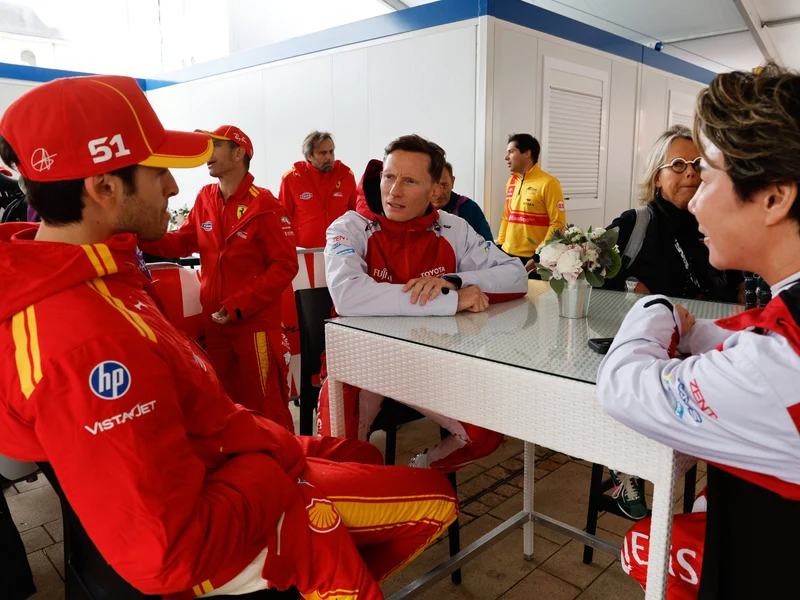
Toyota technical director David FlouryPlayer·David Floury said Hypercar is showing an additional split into two groups, with LMH prototypes trailing the LMDh cars in Le Mans qualifying. His remarks came after the opening qualifying session for this year’s 24 Hours of Le MansCompetition·24 Hours of Le Mans.
The session underlined that divide on the timesheets. The top six places were filled by LMDh prototypes, while the highest-placed LMH car was the Aston MartinTeam·Aston Martin No. 009, which finished seventh, 0.642 seconds behind the leading AlpineTeam·Alpine prototype. Toyota’s two LMH cars were eighth and 12th.
Floury did not try to dress up the result. He said the session showed “a split into two classes” with LMDh ahead and LMH further back, and added that there appears to be a reason Toyota is around 3 km/h slower on the straights. The quote is notable because it puts into words a debate that has followed the Hypercar regulations since they were created.

Under the current rules, LMH gives manufacturers more freedom to design the car from the ground up, while LMDh relies on standardised components and is therefore significantly cheaper to build. Toyota, Ferrari, Peugeot and Aston MartinTeam·Aston Martin are among the manufacturers that chose LMH, while AlpineTeam·Alpine, BMW, Cadillac, Genesis, McLaren, Porsche, Lamborghini, Acura and Ford use the LMDh route.
The two philosophies are meant to be equalised through Balance of Performance, a system that has drawn persistent criticism. According to the source material, BoP data has no longer been published since the start of this season, adding another layer of tension to the ongoing debate over how closely the two technical routes can truly be balanced.
For Toyota, the timing matters as much as the message. Le Mans remains the clearest stage on the calendar for the Hypercar class, and qualifying has already suggested that the performance picture may be more complicated than the category name implies. If that pattern holds, race day will not only decide the result at the front, but also sharpen scrutiny of how the class is structured.
Toyota’s own social posts from the event frame the same weekend as another demanding chapter at La Sarthe, with the team already focused on the challenge ahead rather than the argument behind it. The race will now show whether the qualifying order reflects a one-off set of conditions or a deeper technical gap between the two Hypercar pathways.
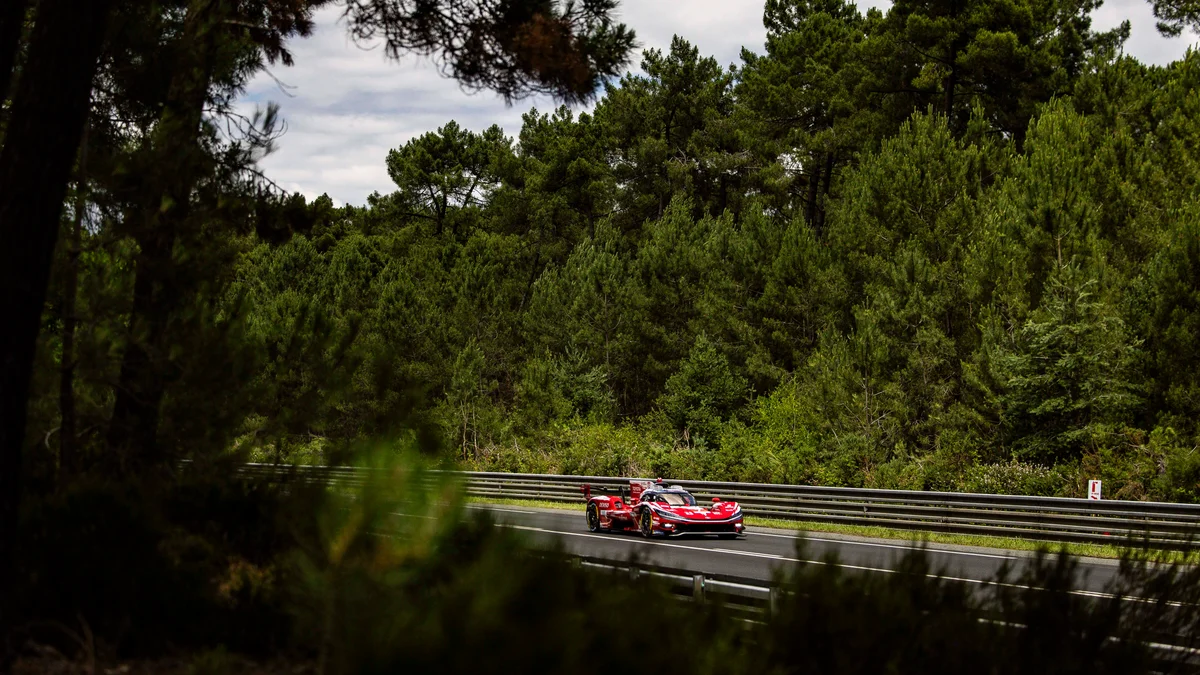
Toyota TR010 Hybrid 07 Hypercar in action during a practice session at the 24 Hours of Le Mans. PsnewZ/IMAGO
PsnewZ/IMAGOThis article was generated by AI (sonar-pro). Learn more.