Sergio PerezPlayer·Sergio Perez’s Monaco Grand PrixCompetition·Monaco Grand Prix ends in frustration after a post-race penalty strips Cadillac of what would have been the team’s first ever point in Formula 1.
The Mexican driver crosses the line in tenth place on Sunday, earning a solitary point that would have marked a symbolic milestone for the debutant constructor. Hours later, stewards apply a 10-second time penalty for an infringement on the grid at a late restart, dropping Perez to 15th in the final classification and leaving Cadillac still searching for its first score.
According to the stewards’ decision and Cadillac’s own post-race communication, the sanction follows a false-start ruling at the restart after a red flag, when Perez’s car is judged not to be correctly positioned in its grid box. It is his second penalty of a complicated afternoon in Monte Carlo, underlining how unforgiving the principality remains for even the most experienced of drivers.

Earlier in the race, Perez is already penalised for an issue related to his initial grid position. With Gabriel BortoletoPlayer·Gabriel Bortoleto starting from the pit lane due to a technical problem, the reshuffled order leads to confusion, and Perez lines up in the wrong slot. The error results in a drive-through penalty, costing Cadillac valuable time and track position before the late-race drama that ultimately erases the team’s on-track reward.
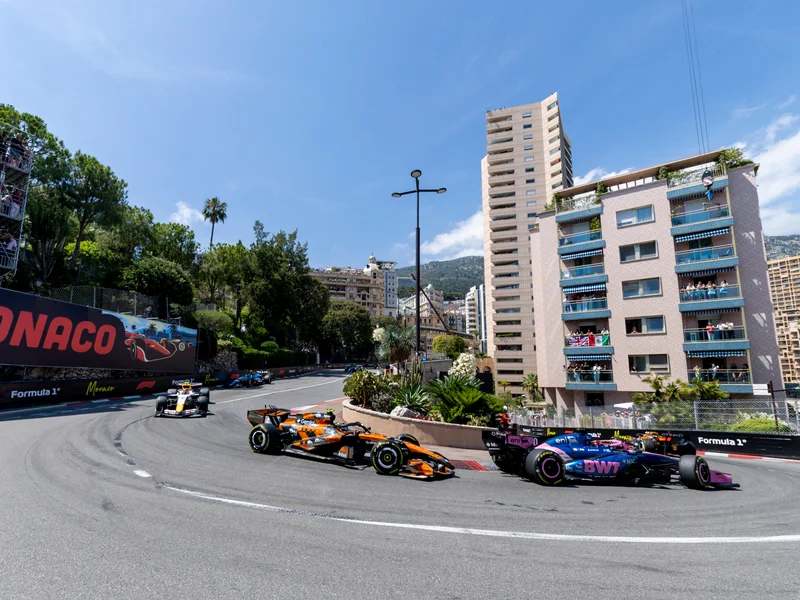
From Cadillac’s perspective, the Monaco weekend becomes a snapshot of the steep learning curve facing any new constructor in Formula 1. The car survives an incident-filled race, navigates multiple safety-car periods and a red flag, and still emerges in the points on pure result before procedure intervenes. Execution, rather than outright pace, proves decisive.
For Perez, the episode is also about accountability. The 36-year-old accepts his share of responsibility for the positioning errors, acknowledging that in his search for the perfect launch and maximum tyre temperature he pushes the limits of the grid box markings too far. The fine margins that often define Monaco – a few centimetres on the grid, a fraction of a second at the start – this time work against him.
The outcome carries wider implications for the season. For Cadillac, a first point would have been more than a statistic; it would have been a public marker that the new project can already convert opportunities on one of the most demanding circuits in the calendar. Instead, the record books show another blank, and the team’s next chance to open its tally shifts to the Spanish Grand PrixCompetition·Spanish Grand Prix.

Heading to Circuit de Barcelona-CatalunyaVenue·Circuit de Barcelona-Catalunya, where the team has already shared images of blue skies and calm conditions in the paddock, the focus turns to turning hard lessons into tangible progress. Procedures around grid positioning, communication between pit wall and cockpit, and how aggressively Perez can approach starts without crossing the line will all be under scrutiny.
The pressure on the Mexican is two-fold. As one of the most experienced drivers on the grid, he is expected to be the reference point inside a young operation. At the same time, Cadillac’s lack of historical data compared with established rivals means it relies heavily on his feel for changing grip and tyre preparation, particularly at street circuits such as Monaco where confidence is built corner by corner.
Monaco, then, becomes both a missed opportunity and a necessary checkpoint. Perez demonstrates that the Cadillac package can fight on the fringes of the top ten in a chaotic race, but also shows how quickly that progress can evaporate when the basics are not executed perfectly. In a championship where every point can shape long-term momentum, Barcelona already looks like an important early response for both driver and team.
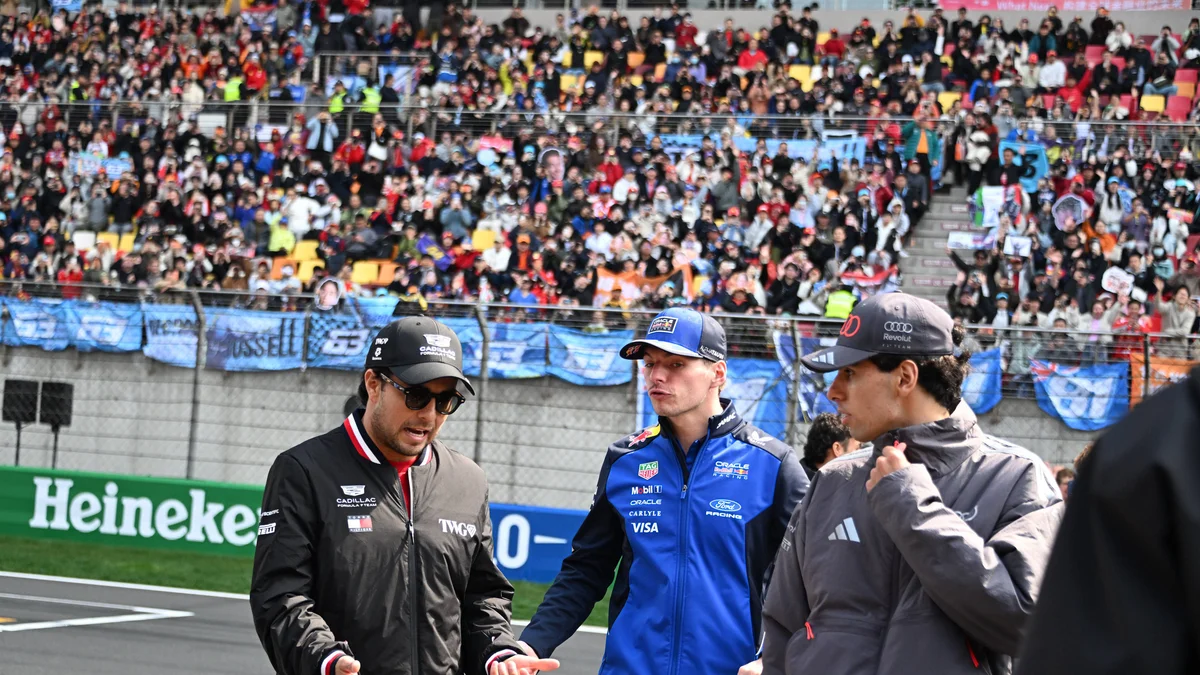
Sergio Perez, Max Verstappen, and Gabriel Bortoleto race at the F1 China Grand Prix 2026. Nordphoto/IMAGO
Nordphoto/IMAGOThis article was generated by AI (sonar-pro). Learn more.