Alpine’s challenge to the pit-lane speeding penalties that cost Pierre GaslyPlayer·Pierre Gasly a podium in Monaco has cleared its first major hurdle, with FIACompetition·FIA stewards ruling the team’s protest admissible and agreeing to review fresh evidence.
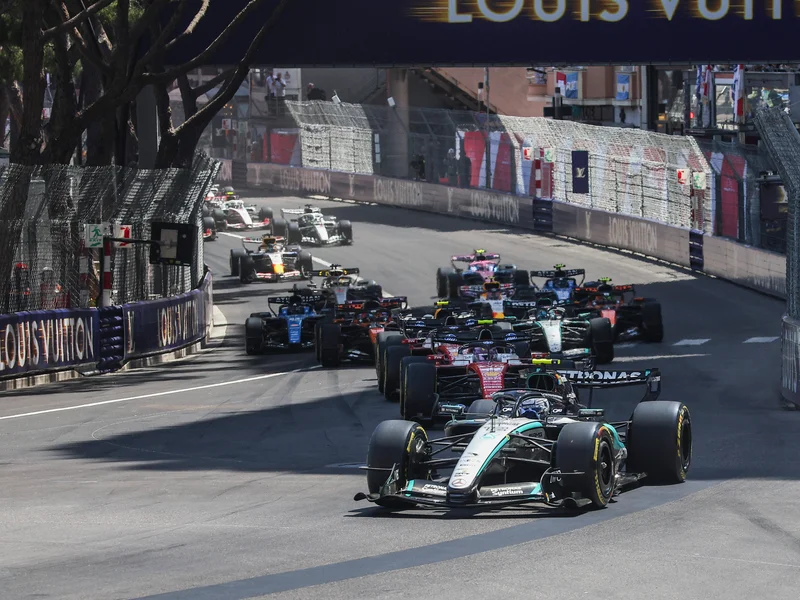
Gasly crossed the line third in last weekend’s Monaco Grand PrixCompetition·Monaco Grand Prix, but two separate five‑second penalties for speeding in the pit lane dropped the Frenchman to seventh place once the final times were applied. He was one of six drivers penalised for pit‑lane speeding during the race in Monte Carlo, but the only one to receive two sanctions, turning a landmark podium into a midfield finish.
Alpine moved quickly after the chequered flag, activating Formula 1’s right-of-review process and filing a formal request with the FIACompetition·FIA. The team from Enstone argued that it had obtained new and significant evidence that was not available to stewards at the time they imposed the original penalties.

That threshold is crucial. Under the FIACompetition·FIA’s International Sporting Code, requests of this kind only proceed if the stewards accept that genuinely new and relevant information has emerged. If that bar is not met, the case ends before the circumstances of the incident are even re‑examined.
According to reports from Russian and Bulgarian outlets, Alpine has now satisfied that initial requirement, convincing stewards that its submission merits a fresh look at what happened in Monaco. The governing body will therefore reopen the case, re-analysing the data and circumstances behind Gasly’s two speeding infringements.
The stakes are clear. If the review finds that one or both penalties were incorrectly applied, Gasly’s final classification could be amended and his lost Monaco podium restored. A confirmed error would not only rewrite the result of Formula 1’s sixth round of the season, it would also raise wider questions about the reliability of pit-lane speed monitoring and the consistency of in‑race penalties.
If, however, the stewards uphold their original decision, the Monaco outcome will stand and Alpine will have exhausted its regulatory options. In that scenario, the case would underline the strict approach to pit‑lane limits that has become a safety cornerstone in modern Formula 1, even when the margins involved are extremely fine.

Beyond the points table, the process carries weight inside the team. Gasly’s podium bid in Monaco was one of Alpine’s most competitive showings of the year, and the loss of four positions after the flag represented a significant swing in both morale and championship momentum. By pushing the case as far as the regulations allow, Alpine signals to its driver that it is prepared to fight for every finishing position, even days after the race has ended.
The controversy also feeds into a broader debate that stretches across the paddock. Teams and drivers repeatedly call for greater transparency and predictability in stewarding decisions, particularly when sanctions reshape the podium after the finish. A reversal in Gasly’s favour would sharpen scrutiny on how quickly and conclusively such penalties are applied. A confirmation of the original verdict would, conversely, reinforce the status quo but still leave open discussion about communication and timing.
For now, attention turns from the streets of Monte Carlo to the meeting rooms where stewards will pore over Alpine’s newly submitted material. Their final decision, expected once the review is completed, will not only settle the battle for a lost Monaco podium but also offer an important reference point in the ongoing conversation about fairness and consistency in Formula 1 officiating.
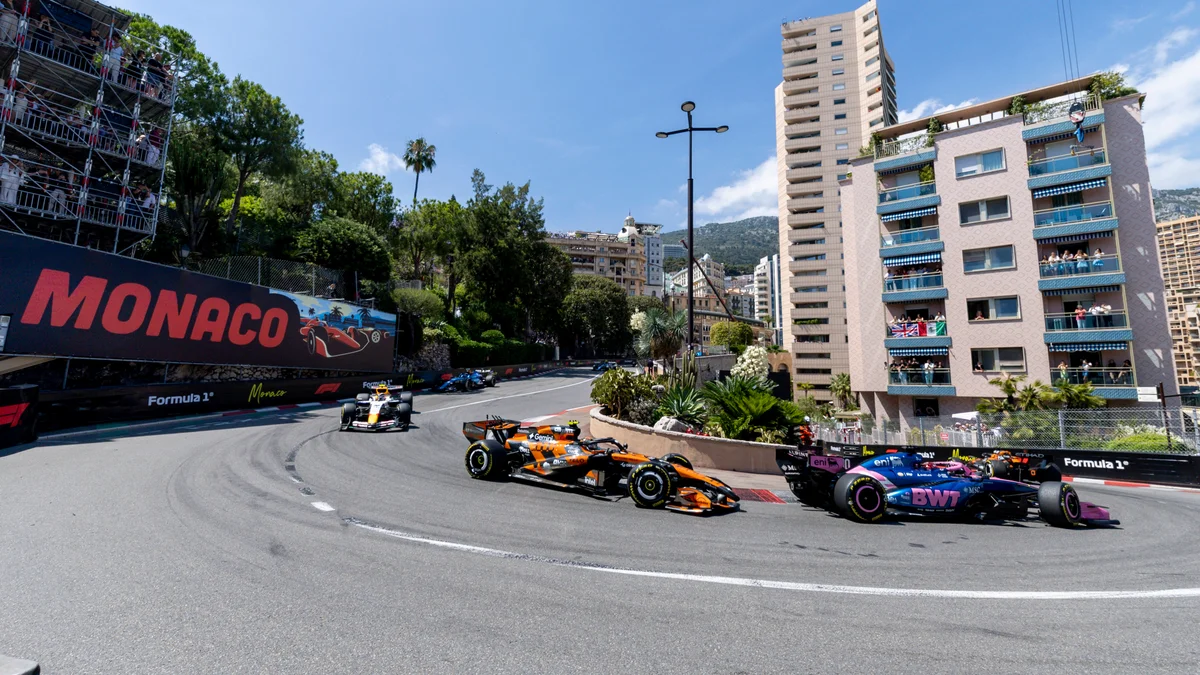
Pierre Gasly and Lando Norris race in the hairpin at the Monaco Grand Prix. Icon Sportswire/IMAGO
Icon Sportswire/IMAGOThis article was generated by AI (sonar-pro). Learn more.