Juan Pablo MontoyaPlayer·Juan Pablo Montoya believes Mercedes is heading towards a strategic crossroads in the second half of the 2026 Formula 1 season.
The former grand prix winner argues that the team’s push for performance with the new‑generation power units is already testing reliability, and that the consequence is likely to be grid penalties as the campaign reaches its climax.
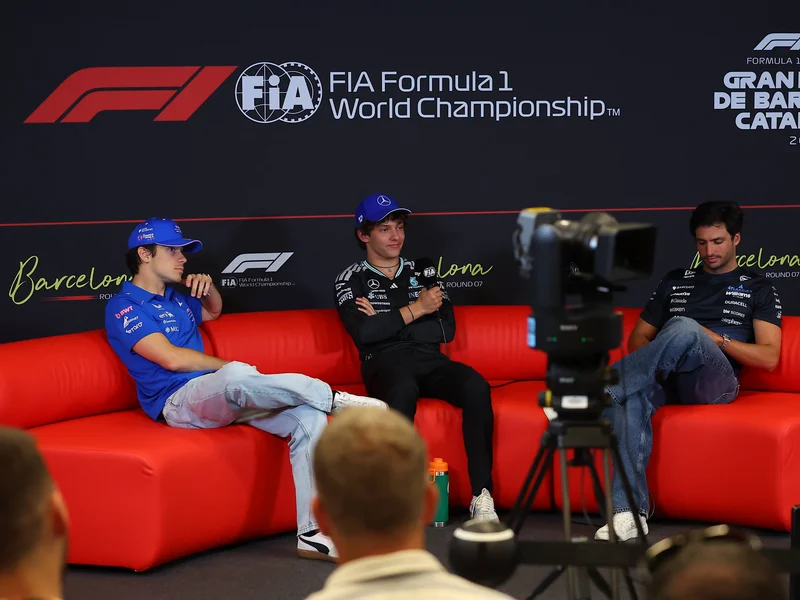
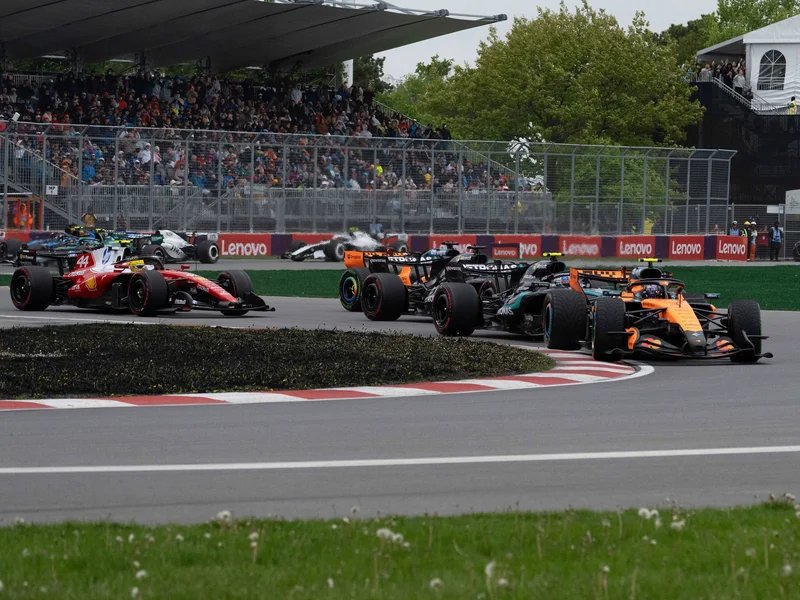
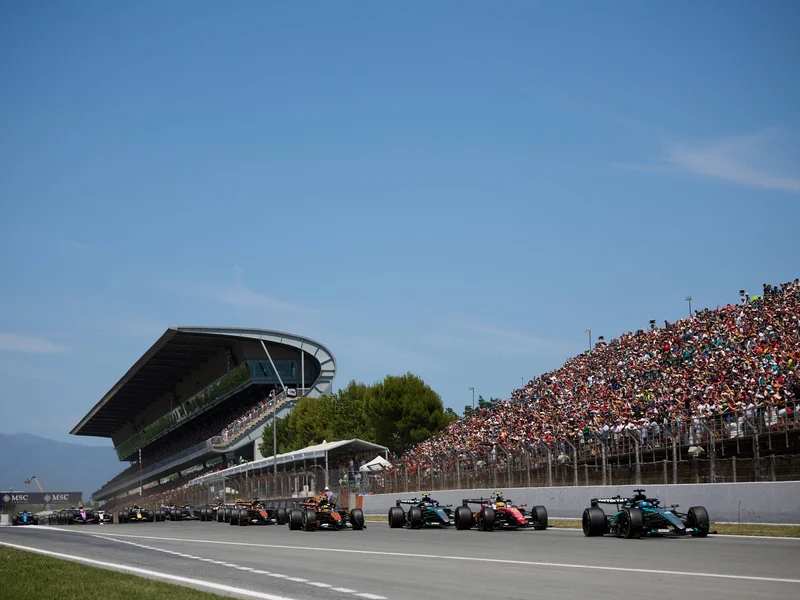
Mercedes has started 2026 with strong pace but a clear mechanical blemish. The team has already suffered two race retirements through failures, with George RussellPlayer·George Russell stopping in Canada and Andrea Kimi AntonelliPlayer·Andrea Kimi Antonelli forced to pull off late in the race at the Spanish Grand PrixCompetition·Spanish Grand Prix in Barcelona. Customer teams running Mercedes power are also experiencing issues, underlining that this is not an isolated car problem but a broader power‑unit concern across the pool.

Under Formula 1’s power‑unit regulations, each driver has a limited allocation of key components for the season. Once a team exceeds those allocations, stewards apply grid penalties, often dropping drivers five or ten places from their qualifying result. In a tight championship fight, that can transform a weekend, turning a front‑row start into a mid‑pack recovery drive.
Montoya’s assessment is that the pattern of early‑season failures points towards Mercedes needing extra components later in the year. The team must then decide when to introduce them and accept the penalty, rather than risk a failure at a critical moment in the title race. For a potential contender, that decision becomes part of a long‑term championship strategy rather than a short‑term setback.
The Colombian expects Mercedes to plan those hits carefully. High‑speed circuits such as Spa‑Francorchamps in Belgium, where overtaking is traditionally more attainable, become prime candidates for a tactical penalty. Starting lower on the grid is less damaging there than at tighter tracks where passing is limited and track position dominates strategy.
Montoya also points to the psychological and competitive impact. A five‑ or ten‑place drop for a title‑chasing driver can invite rivals back into contention, reshaping both the drivers’ and constructors’ standings. A carefully chosen penalty weekend can mitigate that effect; a forced change after a late‑season failure can magnify it.

For Mercedes, the question now is how aggressively to lean on the 2026 power unit. The team appears to be extracting significant performance, but each additional reliability scare nudges it closer to the threshold at which staying within the component limit becomes unrealistic. The same hardware is in use across customer outfits, meaning data from the wider network will feed into the calculations in Brackley.
The situation also sharpens fan and paddock focus on the balance between performance and durability under the current regulations. Teams know that conservative engine modes and reduced mileage can protect allocations, but those choices often carry an immediate lap‑time cost. In a field covered by tenths of a second, that trade‑off is brutal.
As the calendar moves towards tracks where overtaking is easier, observers will watch closely for signs that Mercedes is timing a reset. A new engine or major power‑unit element introduced at a circuit like Spa, accompanied by a grid drop, would support Montoya’s view that the team is managing the penalty risk proactively rather than reacting to failures.
What comes next could play a decisive role in shaping the narrative of the 2026 campaign. If Mercedes can front‑load its pain on favourable circuits and run cleanly through the final flyaways, the early reliability scares may fade into the background. If further failures force unplanned changes, Montoya’s warning about the title picture turning on component choices will look increasingly prescient.
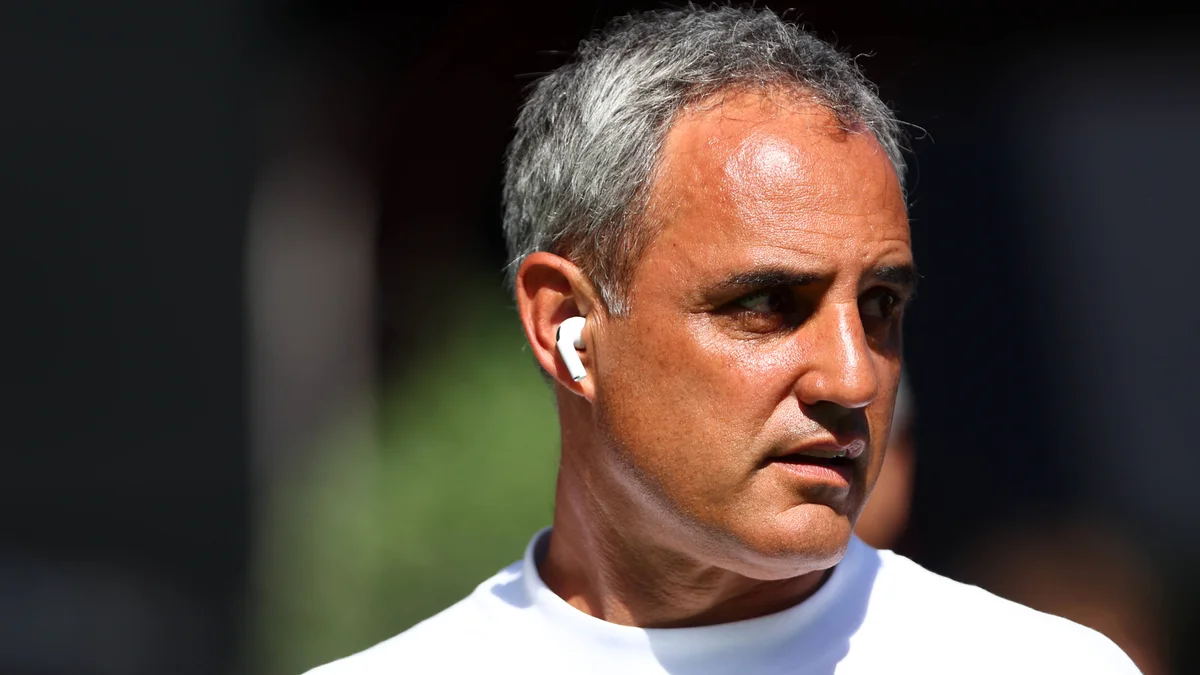
Juan Pablo Montoya in the F1 paddock at Circuit de Catalunya, Barcelona. Photo: Marco Canoniero/IMAGO
Marco Canoniero/IMAGOThis article was generated by AI (sonar-pro). Learn more.