In its early ascent, global streaming giant Netflix maintained that live sports were unnecessary, deeming the sector too costly and geographically constrained to appeal to a global audience. While competitors like Amazon and Apple began exploring the increasingly lucrative live sports market, Netflix asserted it had "no business to defend" and could comfortably look beyond it.
A decade later, Netflix has secured rights to some of the most emblematic events in global sport. A significant $5 billion, 10-year agreement with WWECompetition·WWE for the exclusive global broadcast of Raw exemplifies this shift. This pact is notable not only for its economic scale but also for establishing a unique "show entertainment" format, which Netflix has skillfully molded to its core objective: transforming a sports event into a narrative spectacle.
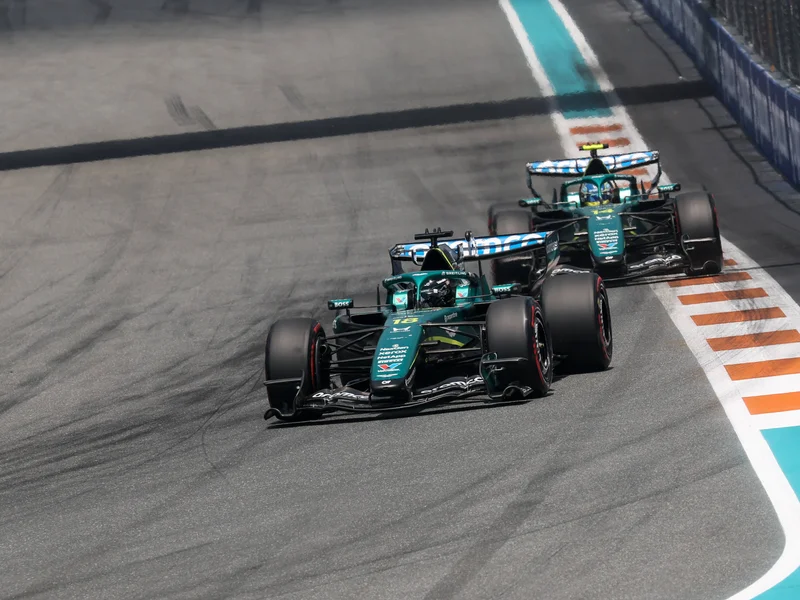
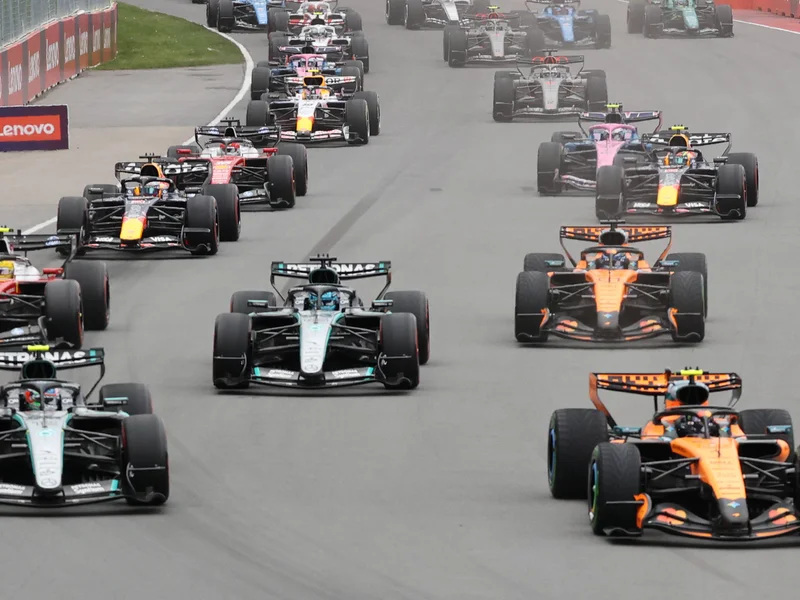
This "show entertainment" strategy integrates storytelling, compelling characters, intense rivalries, personal narratives, and spectacular direction into the competitive fabric of sport. The underlying principle is clear: stories convert interested audiences into paying subscribers. Netflix deliberately avoided becoming a conventional sports broadcaster. Instead, it intelligently tested the sports product through acclaimed documentary series such as Drive to Survive for Formula 1Competition·Formula 1 and *Break PointCompetition·Break Point* for tennis. These productions unexpectedly attracted new audiences and subscribers, proving the power of sports narratives.

The strategic impact of this approach has been multifaceted. Netflix recognized a viable space in live event broadcasting, initially without committing to extensive, season-long packages. Crucially, it understood that unique global events, rather than entire tournaments or championships, could significantly boost engagement and revenue without drastically altering its cost structure.
This understanding explains Netflix's subsequent moves in the television rights market. Beyond the substantial WWECompetition·WWE deal, Netflix has acquired rights for specific NFLCompetition·NFL Christmas Day games, Major League BaseballCompetition·Major League Baseball's (MLB) Opening Day, Home Run DerbyCompetition·Home Run Derby, and Field of Dreams games, the World Boxing CouncilCompetition·World Boxing Council (WBC) championship bouts, and the FIFA Women's World Cups in 2027 and 2031. A notable expansion for 2026 includes the streaming rights for the NFLCompetition·NFL's Week 1 game between the San Francisco 49ersTeam·San Francisco 49ers and the Los Angeles RamsTeam·Los Angeles Rams, set to be played in Australia at the Melbourne Cricket GroundVenue·Melbourne Cricket Ground – a historic first for the continent. Additionally, Netflix will stream a mixed martial arts (MMA) bout between Ronda RouseyPlayer·Ronda Rousey and Gina CaranoPlayer·Gina Carano on May 16, 2026, and the global rights for the boxing match between Canelo ÁlvarezPlayer·Canelo Álvarez and Terence CrawfordPlayer·Terence Crawford in June 2025. A sublicensing deal with Apple TV will also see Netflix co-broadcast the 2026 Canadian Grand PrixCompetition·Canadian Grand Prix in the United States.
The model is consistent: these are high-impact events that can be framed through specific narrative angles, transcending pure competition to captivate a global audience.
Netflix was the last of the major online streaming platforms to venture into sports to diversify its subscription offerings. Comparing its strategy with direct competitors Amazon and Apple is essential for understanding the sector's dynamics. Amazon, a pioneer in streaming sports rights, adopted a diametrically opposed, more traditional approach, aiming to become a comprehensive "home of sports" by securing extensive rights for the NFLCompetition·NFL, Premier LeagueCompetition·Premier League, and Champions LeagueCompetition·Champions League, emphasizing weekly live matches.

Apple, conversely, signed a landmark 10-year agreement with Major League SoccerCompetition·Major League Soccer (MLS), seeking to centralize rights through its own production and distribution. This contrasts with Netflix, which has leveraged its core strength: producing original branded content around international-scale events, a strategy that previously revolutionized the film industry.
The results of Netflix's strategy are compelling. According to Calcio e Finanza in January of this year, the company reported a 2% year-on-year increase in viewing hours, driven by a 9% rise in consumption of original branded content. Netflix anticipates revenues of $12.16 billion for the first quarter of 2026, representing a 15% annual growth, alongside a net profit of $3.26 billion. The significant appeal of unique events is underscored by the boxing match between Jake PaulPlayer·Jake Paul and Anthony JoshuaPlayer·Anthony Joshua, which attracted 33 million viewers.
Netflix is not merely entering the sports arena; it is redefining it. Where Amazon builds a consistent schedule and Apple pursues vertical control over rights, Netflix carves a third path, aligned with its own DNA: transforming sports events into global experiences that resonate before, during, and after the live broadcast.

WWE wrestler Maxxine Dupri throws the first pitch at Target Field. Photo credit: ZUMA Press Wire/IMAGO
ZUMA Press Wire/IMAGOThis article was generated by AI (gemini-2.5-flash). Learn more.