The 2026 FIFA World CupCompetition·FIFA World Cup has reached its critical juncture, bringing the performance of match officials into sharper focus than ever before. While FIFA has introduced new rules and enhanced VAR protocols aimed at improving game flow and ensuring fair play, a persistent debate continues regarding the level of protection afforded to players and the consistency of refereeing decisions across the tournament.
FIFA's Chief Refereeing Officer, Pierluigi Collina, has highlighted the effectiveness of several new measures designed to combat time-wasting. These include strict five-second limits for goal kicks and throw-ins, a ten-second exit rule for substituted players, and a requirement for injured players to leave the field for one minute after receiving treatment. According to Collina, these initiatives have been "very effective," contributing to a "dramatic decrease in players' injuries" and generally "very good" player behavior, with minimal cautions for dissent.
The Video Assistant Referee (VAR) system has also seen expanded responsibilities, now tasked with reviewing incidents such as who last touched the ball before it went out for a corner or throw-in, confirming offside positions, and checking for fouls before set pieces that could have a "direct impact" on the outcome. These enhancements aim to bolster accuracy and consistency in decision-making.
Furthermore, new red card offenses introduced for the 2025/26 season have been observed. Players can now be sent off for covering their mouths during confrontational situations or for leaving the field of play in protest of a referee's decision. A notable instance of this was the red card issued to Paraguay midfielder Miguel AlmirónPlayer·Miguel Almirón for covering his mouth while communicating with an opponent.
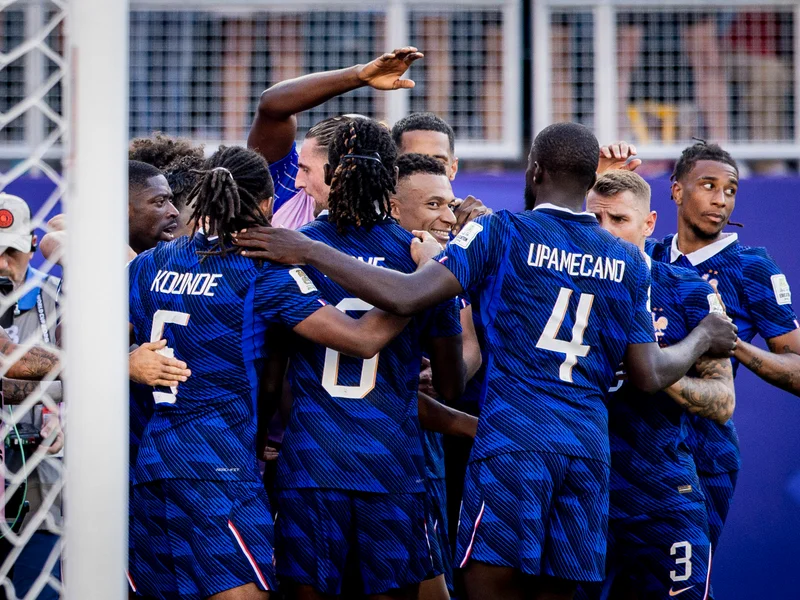
Despite these advancements, the question of whether players receive adequate protection from referees remains a significant talking point. French media, for example, heavily criticized referee Ilgiz Tantashev's performance in France's 1-0 victory over Paraguay. French outlets rated Tantashev's display as "1/10," accusing him of "completely botching his game" by failing to issue cards to aggressive Paraguayan players despite multiple melees and robust challenges. French player William SalibaPlayer·William Saliba commented on the situation:
"I think the referee could have given a few yellow cards; that might have calmed them down a bit."
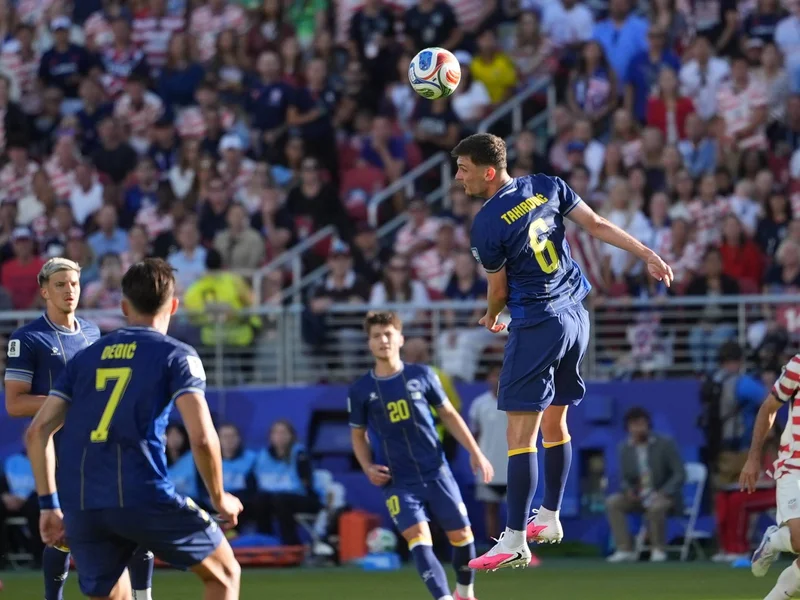
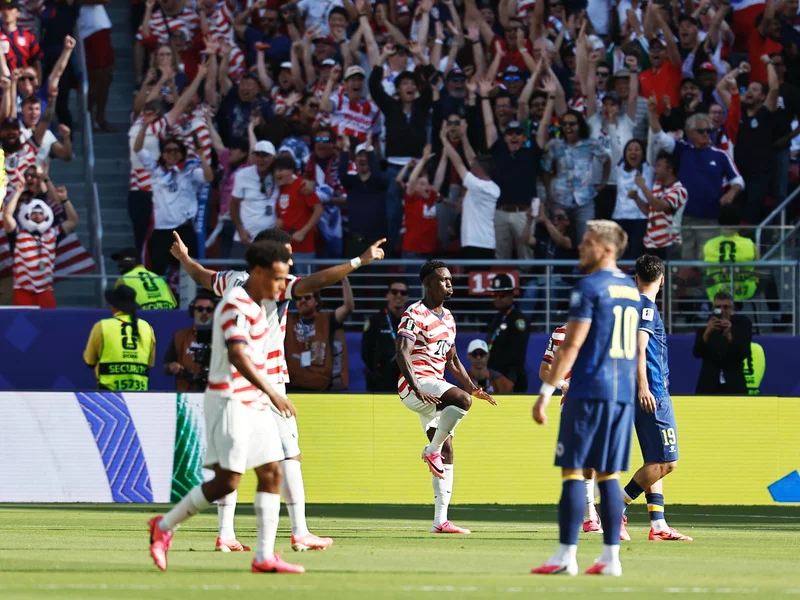
Another contentious incident involved the controversial red card shown to Folarin BalogunPlayer·Folarin Balogun during the United StatesTeam·United States' Round of 32 victory over Bosnia and Herzegovina. While the decision technically aligned with Law 12 regarding serious foul play, comparisons with similar incidents earlier in the tournament led to questions about the consistency of refereeing. Football pundit Keith HackettCoach·Keith Hackett also expressed disappointment that VAR failed to intervene on a challenge by Jamal MusialaPlayer·Jamal Musiala in the Germany versus Paraguay match, which he believed warranted a red card for serious foul play.
Online discussions further reflect these concerns, with sentiments ranging from observations that "World cup referees allowing much more physical contact and missing some obvious calls" to specific officials being labeled "by far the worst referee to officiate in the WC this year." Some opinions suggest that "Player health, safety, and wellbeing are not high on FIFA's priorities list" and that "The hundreds of fouls that have been missed in this WC, have been caused by Collina and his directives."
While FIFA maintains that its new directives have reduced injuries and improved player conduct, the ongoing debates and specific match incidents underscore that the perception of consistent refereeing and sufficient player protection continues to be a central theme at the 2026 World Cup.
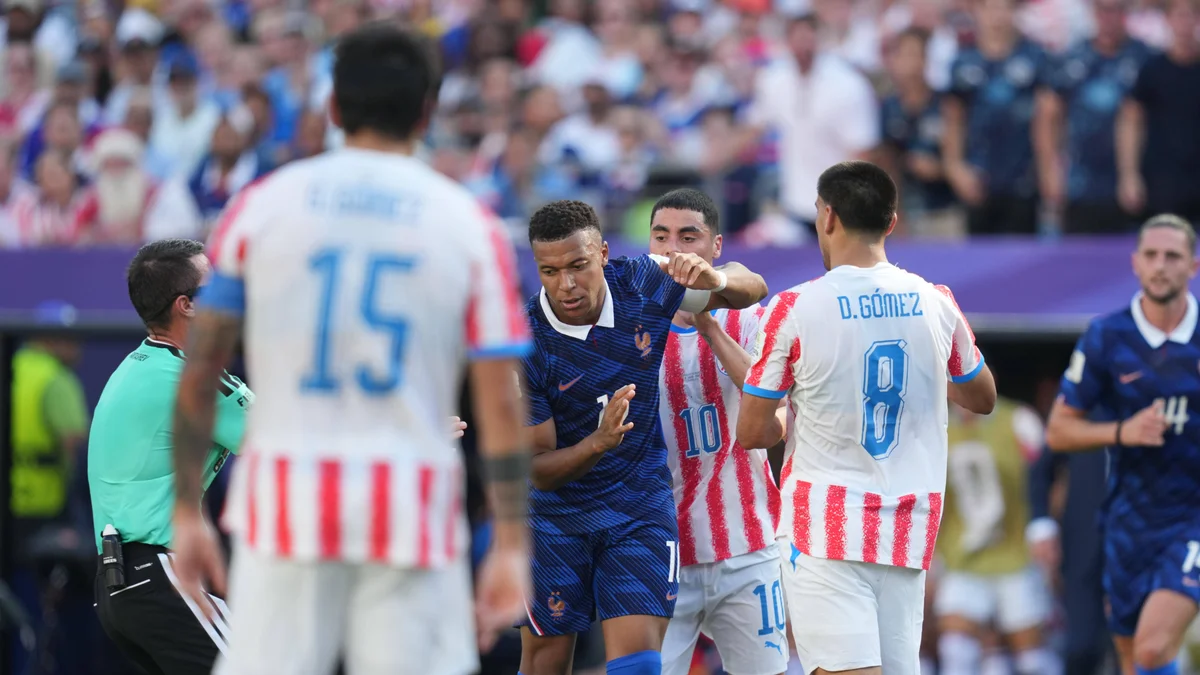
Kylian Mbappé (France) and Miguel Almirón (Paraguay) compete during the 2026 FIFA World Cup. DeFodi Images/IMAGO
DeFodi Images/IMAGOThis article was generated by AI (gemini-2.5-flash). Learn more.