Borussia DortmundTeam·Borussia Dortmund CEO Hans-Joachim Watzke, a prominent voice in German football and Vice-President of the DFL, has once again painted a stark, almost harrowing picture for the future of the BundesligaCompetition·Bundesliga. His recent comments underscore a deep-seated concern regarding the league's financial viability and its ability to compete on the grand European stage, a sentiment that resonates widely across the German football landscape.
Watzke's primary apprehension stems from the ever-growing financial disparity between the BundesligaCompetition·Bundesliga and the behemoth that is the English Premier LeagueCompetition·Premier League. The chasm in TV rights revenue is particularly glaring, with the BundesligaCompetition·Bundesliga's domestic deal significantly dwarfed by its English counterpart. This financial imbalance directly impacts German clubs' capacity to retain their brightest talents and attract world-class players, often relegating the BundesligaCompetition·Bundesliga to a "development league" where stars like Jude BellinghamPlayer·Jude Bellingham and Erling HaalandPlayer·Erling Haaland hone their craft before inevitably moving to richer pastures.
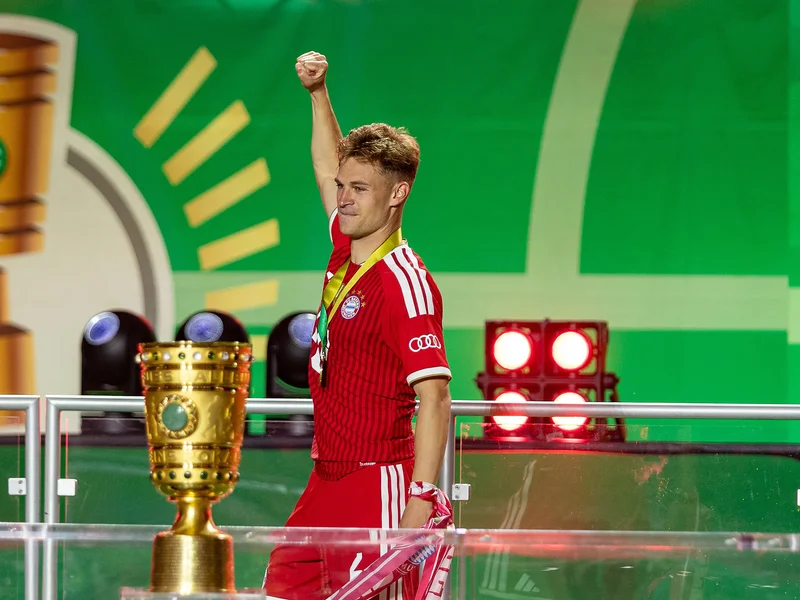
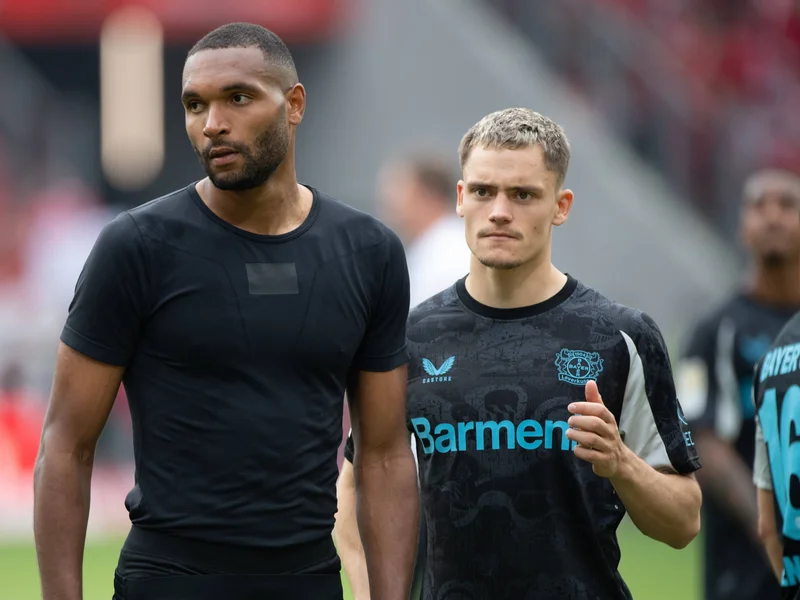
Beyond the external threat, Watzke also points to an internal imbalance: the overwhelming dominance of Bayern MunichTeam·Bayern Munich. For over a decade, Bayern's iron grip on the Meisterschale was absolute, securing 11 consecutive BundesligaCompetition·Bundesliga titles from 2012-13 to 2022-23. While Bayer LeverkusenTeam·Bayer Leverkusen's sensational, unbeaten title triumph in the 2023-24 season offered a refreshing break from this predictability, it is widely viewed as an exceptional campaign rather than a fundamental shift in the league's underlying financial power dynamics. Bayern's revenue, approximately €744 million in 2022-23, dwarfs even that of Dortmund, which stood at around €463.5 million, illustrating the scale of the challenge for any aspiring challenger.

Yet, amidst his warnings, Watzke offers a crucial caveat: his praise for Bayern MunichTeam·Bayern Munich. He consistently acknowledges that Bayern's sustained success is not merely a product of superior resources, but a testament to their exemplary management, astute financial planning, and a relentless pursuit of sporting excellence. It's a recognition that while their dominance creates a competitive challenge for the league, their operational model is one to admire.
The "50+1 rule," a cornerstone of German football that ensures club members retain majority voting rights, is often cited as both a blessing and a curse. It preserves the unique fan culture and prevents external ownership from dictating terms, but it also limits the influx of investment that could help bridge the financial gap with other top European leagues. This structural difference means that while the BundesligaCompetition·Bundesliga boasts healthy, well-run clubs, their growth potential is inherently capped compared to leagues with more open ownership models.
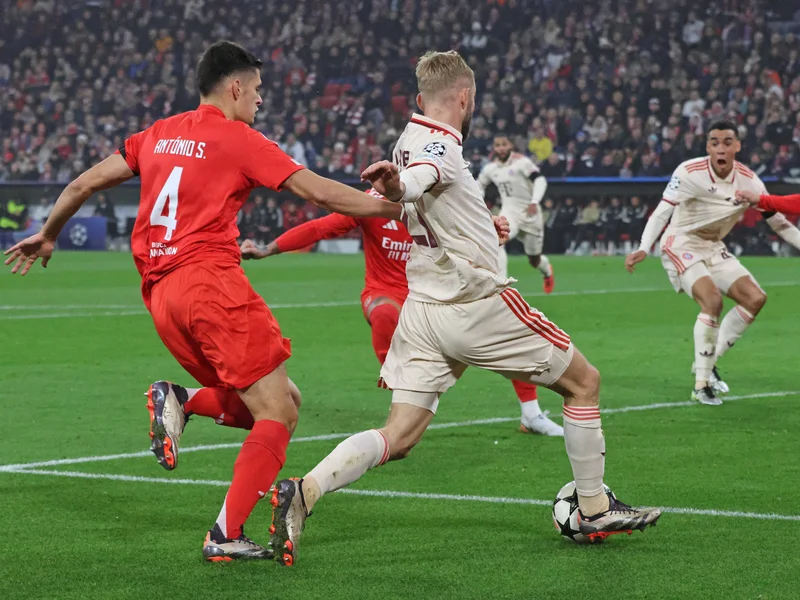
The implications for European competition are profound. While Bayern MunichTeam·Bayern Munich consistently contends for the UEFA Champions LeagueCompetition·Champions League title, other BundesligaCompetition·Bundesliga clubs often struggle to make deep runs. Borussia DortmundTeam·Borussia Dortmund's unexpected journey to the 2024 Champions LeagueCompetition·Champions League final was a magnificent achievement, but it was largely seen as an overachievement, a testament to tactical brilliance and team spirit rather than a reflection of comparable financial might against their final opponents. This highlights Watzke's point: individual successes can occur, but consistent, broad-based European competitiveness remains elusive for most German clubs.
Watzke's message is clear: without significant changes, particularly in boosting international revenue streams, the BundesligaCompetition·Bundesliga risks falling further behind. The league's vibrant stadiums, passionate fan bases, and commitment to financial prudence are undeniable strengths, but they alone may not be enough to secure its long-term position among Europe's absolute elite. The challenge is to find a path that preserves the league's unique identity while enabling it to thrive in an increasingly globalized and financially driven footballing world.
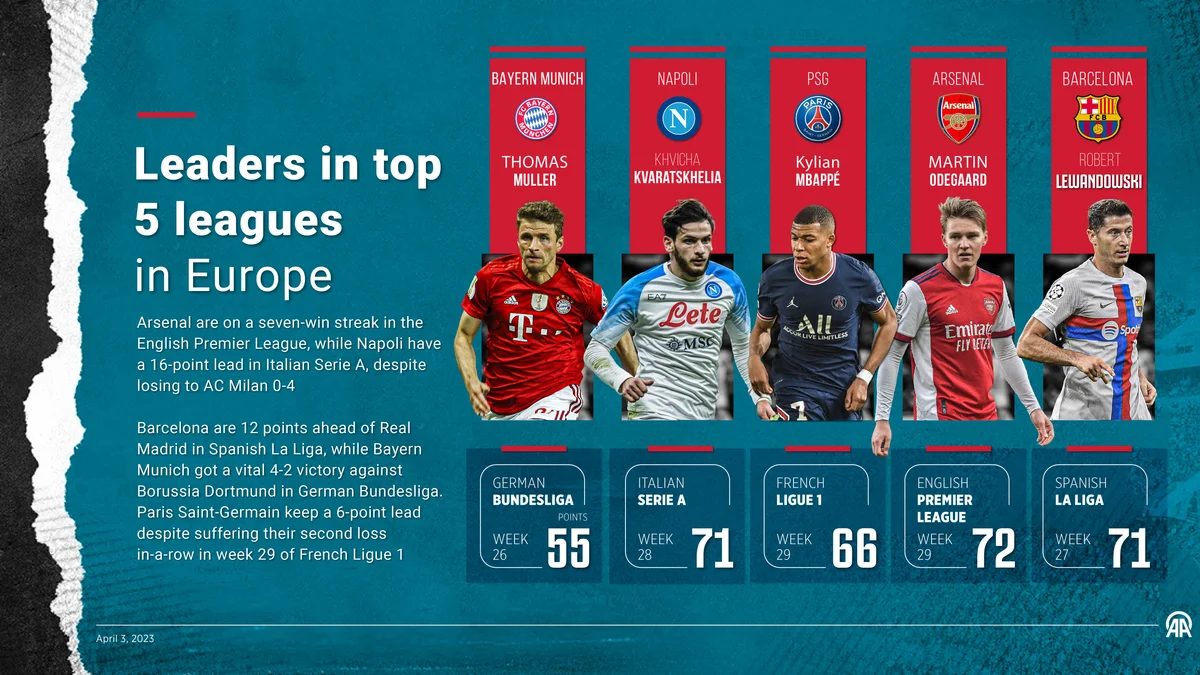
Infographic showing current leaders in Europe's top 5 football leagues. Anadolu Agency/IMAGO
Anadolu Agency/IMAGOThis article was generated by AI (gemini-2.5-flash). Learn more.