Emanuel EmeghaPlayer·Emanuel Emegha stepped toward Strasbourg's ultras with the intention of acknowledging their support through a historic European campaign. Instead, he was met with booing and anger—a stark reminder of the friction that emerges when a club's brightest prospect departs at a moment of collective disappointment.
The Dutch forward, recently appointed captain, found himself at the centre of a broader conflict following Strasbourg's UEFA Conference League semi-final elimination to Rayo VallecanoTeam·Rayo Vallecano. What should have been a moment to celebrate the club's first deep European run in nearly two decades became overshadowed by Emegha's announced transfer to ChelseaTeam·Chelsea and the resentment it has sparked among the fanbase.
The ultras' reaction reflected more than frustration at a single defeat. Strasbourg's supporters view Emegha's move as emblematic of a larger anxiety about the club's direction under BlueCo ownership, with some fans interpreting his departure as a symbol of external control over their institution. The timing—leaving as the team reached the semi-finals—compounded the sense of abandonment.

Emegha responded by defending his teammates on Instagram, arguing they deserved recognition for their efforts rather than recrimination. "People can be unhappy with me—I understand the disappointment and frustration, no problem," he wrote. "But this team does not deserve that treatment after giving everything for the badge and reaching the semifinals for the first time."
The 23-year-old's intervention attempted to redirect anger away from the squad and toward himself, a gesture that underscored the tension between individual career progression and collective identity in modern football. Emegha has been a key contributor to Strasbourg's season, and his departure represents a significant loss as the club navigates both European ambition and domestic stability.
The incident encapsulates a recurring friction in football: the collision between players' legitimate aspirations to compete at elite clubs and the emotional investment of supporters who view their team as more than a stepping stone. For Strasbourg, the Conference LeagueCompetition·Conference League run offered validation and revenue; for Emegha, it provided a platform to attract interest from a Premier League club. Both narratives are valid, yet they exist in tension.
As Emegha prepares for his move to Stamford Bridge, Strasbourg must rebuild both their squad and their relationship with a fanbase that feels the sting of losing a captain at a pivotal moment. The ultras' reaction, however harsh, reflects a legitimate concern about the club's future in an era of increasing financial disparity and player mobility.
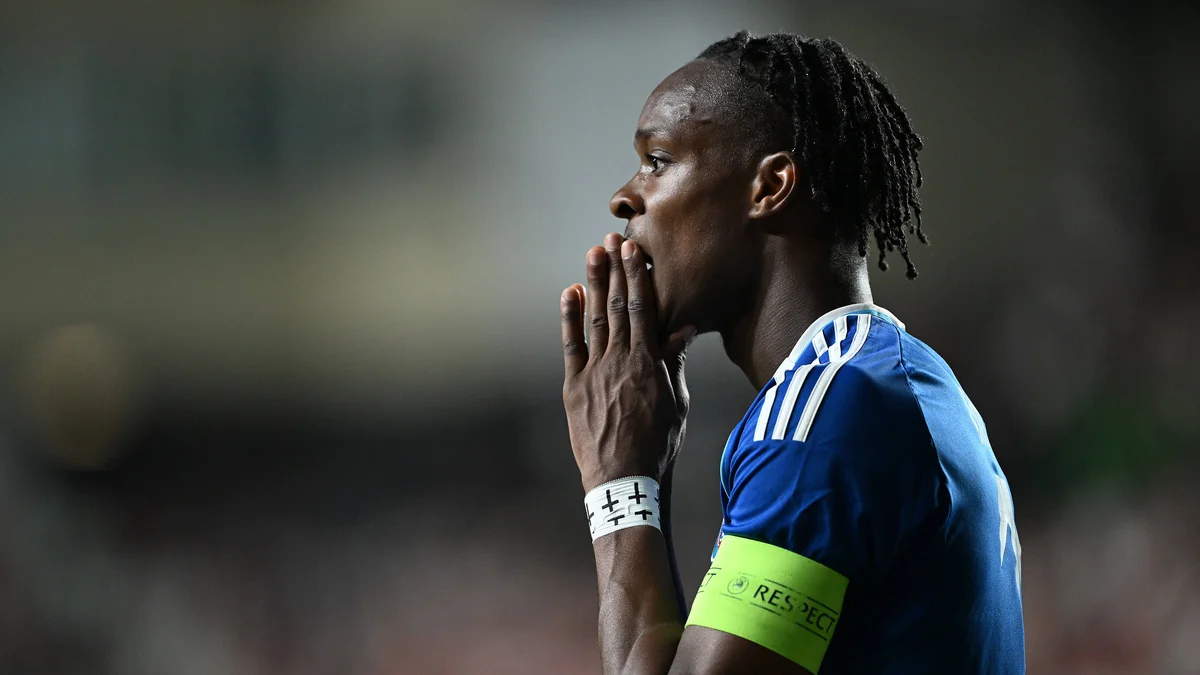
Emanuel Emegha of RC Strasbourg gestures during the UEFA Conference League semi-final. Photo: Anadolu Agency/IMAGO
Anadolu Agency/IMAGOThis article was generated by AI (sonar-pro). Learn more.