The 2026-27 UEFA Champions LeagueCompetition·Champions League ushers in a transformative era with its expanded 36-team league phase, where automatic qualification slots go to the top performers from domestic campaigns. As of April 17, 2026, 25 teams have clinched their berths through league positions, setting the stage for a competition that redefines European football's elite landscape.
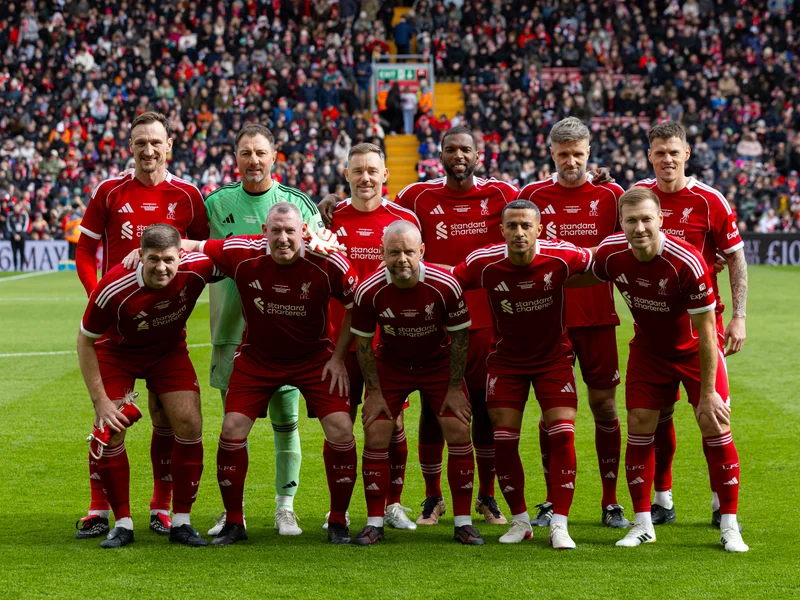
England leads the qualifiers with four automatic entrants—ArsenalTeam·Arsenal, Manchester CityTeam·Manchester City, Manchester UnitedTeam·Manchester United, and Aston VillaTeam·Aston Villa—while LiverpoolTeam·Liverpool secures a fifth via the European Performance Spot, awarded to the top coefficient nation's fifth-placed side. This robust representation highlights England's growing dominance in UEFA rankings, bolstering the Premier League's influence in the new format.
Italy and Spain match England's core haul with four teams apiece. InterTeam·Inter, Napoli, AC MilanTeam·AC Milan, and JuventusTeam·Juventus represent Serie A, blending Milanese flair with Neapolitan resilience and Turin grit. La Liga counters with BarcelonaTeam·Barcelona, Real MadridTeam·Real Madrid, Atlético Madrid, and VillarrealTeam·Villarreal, a quartet that fuses historic giants with rising challengers. Germany's Bundesliga contributes Bayern MunichTeam·Bayern Munich, Borussia DortmundTeam·Borussia Dortmund, Stuttgart, and RB LeipzigTeam·RB Leipzig, ensuring high-pressing intensity permeates the league table.

France fields three qualifiers: Paris Saint-GermainTeam·Paris Saint-Germain, RC LensTeam·Lens, and LilleTeam·Lille, reflecting Ligue 1's concentration of talent at the summit. The Netherlands sends PSV and FeyenoordTeam·Feyenoord, Portugal fields Porto, while single representatives emerge from Belgium (Union Saint-Gilloise), Czechia (Slavia PragueTeam·Slavia Prague), and Türkiye (GalatasarayTeam·Galatasaray). Real BetisTeam·Real Betis joins LiverpoolTeam·Liverpool in the European Performance Spots, claiming Spain's allocation for the same merit-based pathway.
This distribution marks a deliberate recalibration of power. The format revolution expands access beyond the traditional powerhouses, with smaller nations gaining rare direct entry. England's five teams exemplify how coefficient-driven allocations—now favoring consistent European performers—tilt the balance toward the Premier League, potentially intensifying rivalries in the single league table where every club plays eight matches, four home and four away.
The top eight finishers advance straight to the Round of 16, while positions 9th to 24th enter two-legged playoffs, injecting drama into mid-table battles. Yet seven more teams await through qualifying rounds: five via the champions path for title winners from lower-ranked associations, and two via the league path for high-placed non-champions. The winners of the 2025-26 Champions LeagueCompetition·Champions League and Europa League hold two additional automatic spots, though identities remain pending as those tournaments unfold.
Compared to prior formats, this Swiss-model league phase eliminates the group stage's predictability, fostering broader competition. No longer confined to three opponents, teams face diverse fixtures drawn from four pots, promising tactical variety—from Bayern's possession mastery to Porto's counter-attacking edge. Qualification drama escalates for leagues still contesting spots; a late surge in Serie A or La Liga could reshape the field before qualifiers commence.

For clubs like Aston VillaTeam·Aston Villa and VillarrealTeam·Villarreal, automatic entry validates upward trajectories, while established forces such as Real MadridTeam·Real Madrid and Bayern MunichTeam·Bayern Munich eye dominance in a field diluted by expansion. The geographic shift empowers England's quintet to challenge Spain and Italy's traditional stranglehold, setting up a season where standings implications ripple through domestic races. As the calendar advances toward summer qualifiers, Europe's elite recalibrate strategies for a tournament that rewards depth over depth-chart familiarity.
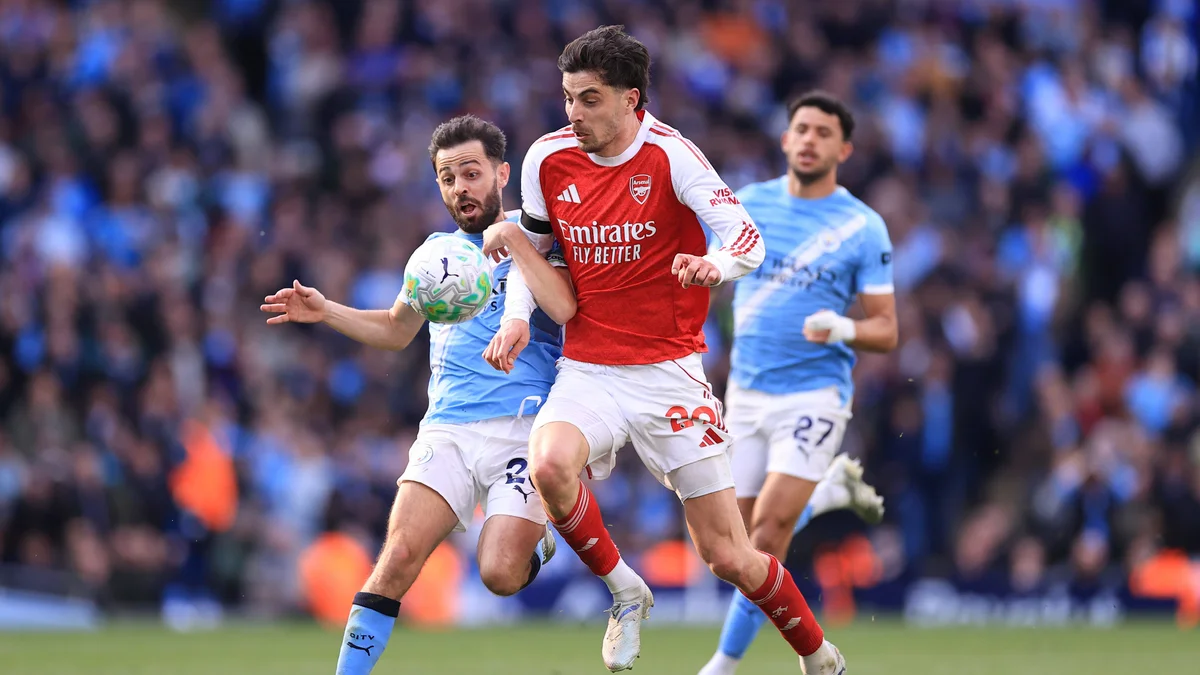
Bernardo Silva (Manchester City) and Kai Havertz (Arsenal) compete in a Premier League match. Photo: Offside Sports Photography/IMAGO
Offside Sports Photography/IMAGOThis article was generated by AI (sonar-pro). Learn more.