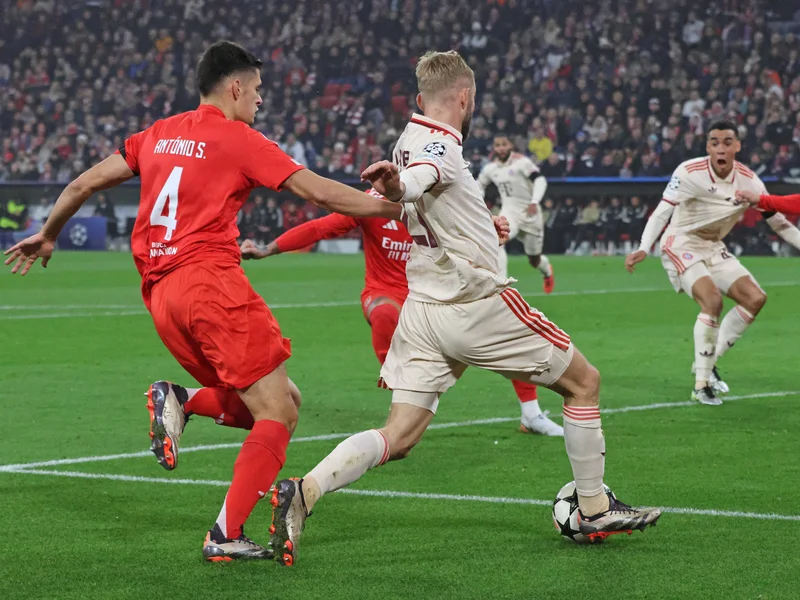
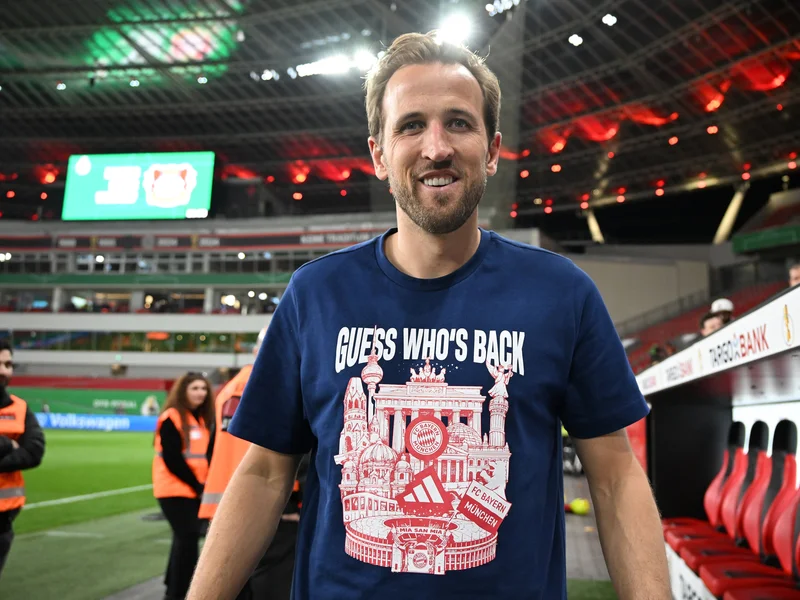
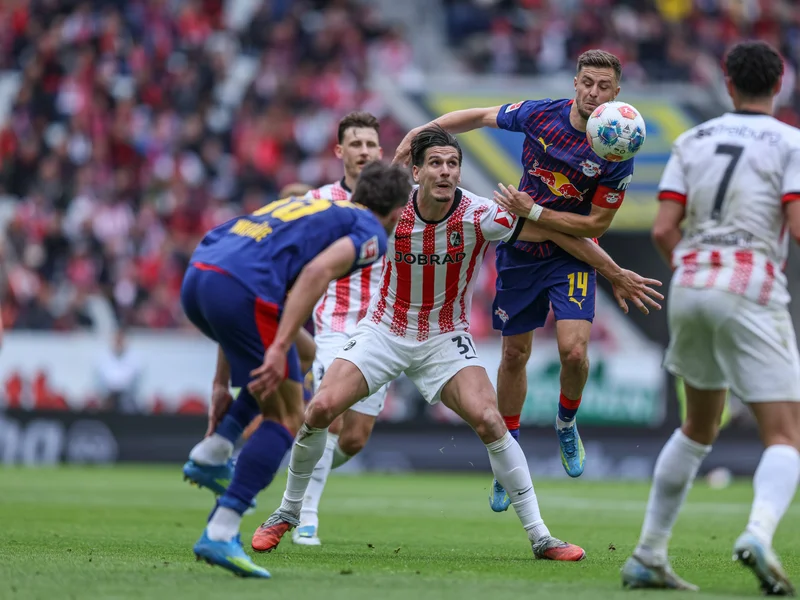
The long-standing "50+1" rule, a cornerstone of German football culture, is facing renewed scrutiny from a notable source: the leadership of Bayern MunichTeam·Bayern Munich. Despite their own club's consistent dominance within the BundesligaCompetition·Bundesliga, executives are advocating for its removal, citing concerns about the league's broader international standing.
Bayern president Herbert Hainer has been particularly vocal on the matter. In comments reiterated in May 2026, Hainer stated, "In my opinion, 50+1 is outdated. Every club should be free to decide its own fate." He emphasized that even if a club sought to abolish the rule, its members would still need to vote on the proposal, ensuring fan oversight. Hainer also highlighted the significant financial disparity between the BundesligaCompetition·Bundesliga and the English Premier LeagueCompetition·Premier League, noting that even the lowest-ranked team in England receives more revenue than the top club in Germany. He stressed the necessity for German clubs to expand their global reach to markets in America, Africa, and Asia to enhance the league's marketing appeal.
This sentiment is echoed by other key figures within the club. Honorary president Uli Hoeneß previously asserted in November 2025 that the "50+1" rule "sooner or later... has to go in Germany," believing it would benefit many clubs by enabling them to attract international investment. Similarly, CEO Jan-Christian Dreesen reaffirmed Bayern's position in March 2026, stating the club's belief that each club should determine its own path. Dreesen underscored the importance of a robust and competitive BundesligaCompetition·Bundesliga to maintain motivation and drive progress, expressing hope that clubs like Borussia DortmundTeam·Borussia Dortmund, Bayer LeverkusenTeam·Bayer Leverkusen, VfB StuttgartTeam·VfB Stuttgart, and RB LeipzigTeam·RB Leipzig could also advance.

While Bayern MunichTeam·Bayern Munich's leadership champions this change for the league's overall benefit, they maintain that their own club would not rely on foreign investment. Uli Hoeneß famously declared that any Bayern president proposing to relinquish majority ownership to external investors, such as those from Saudi Arabia, "would no longer be president one minute later." The club's existing minority shareholders, including Audi, Adidas, and Allianz, provide a stable financial base.
The debate surrounding the "50+1" rule carries significant implications for the future of German football. Proponents of its abolition argue it could inject much-needed capital, allowing BundesligaCompetition·Bundesliga clubs to compete more effectively with European giants and potentially "heat up competition" within the league. However, critics fear that removing the rule could erode German football's unique identity, diminish fan control, and transform clubs into mere financial assets for wealthy investors. Concerns persist that smaller clubs might be compelled to seek external funding simply to remain competitive, potentially disrupting the league's balance. The Federal Cartel Office is currently reviewing the legality of existing exceptions to the rule, which could further fuel this ongoing discussion.
Against this backdrop, Bayern MunichTeam·Bayern Munich concluded a dominant 2025/26 BundesligaCompetition·Bundesliga season, securing their 35th league title on April 19, 2026, with 89 points and a record 122 goals. This success underscores their strong position, yet their executives continue to advocate for a structural change they believe is vital for the entire league's long-term prosperity.
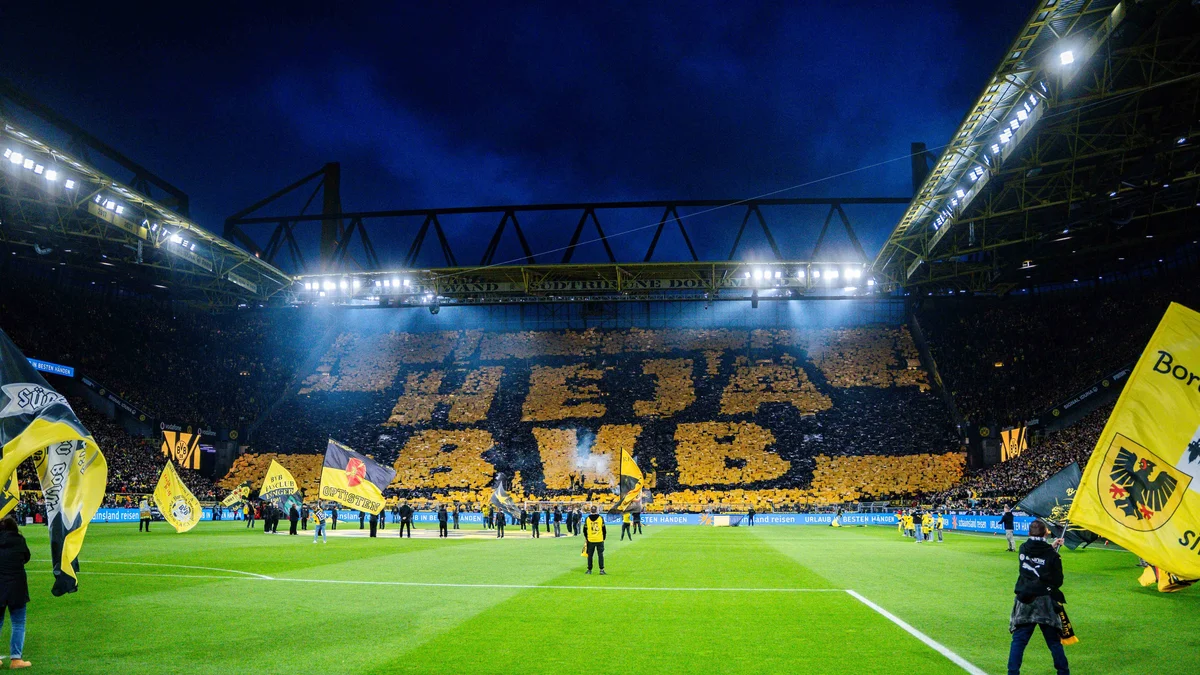
Borussia Dortmund fans with a 'Heja BVB' choreo during a Bundesliga match. Kirchner-Media/IMAGO
Kirchner-Media/IMAGOThis article was generated by AI (gemini-2.5-flash). Learn more.