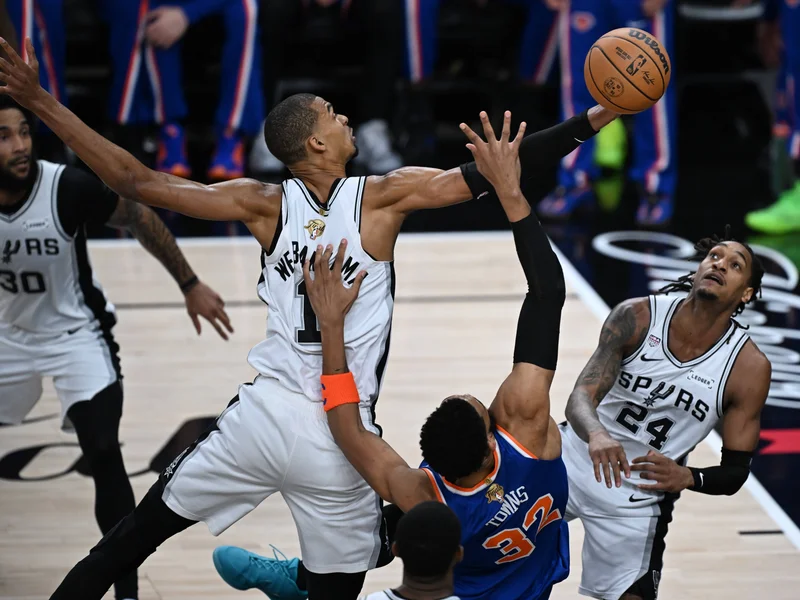
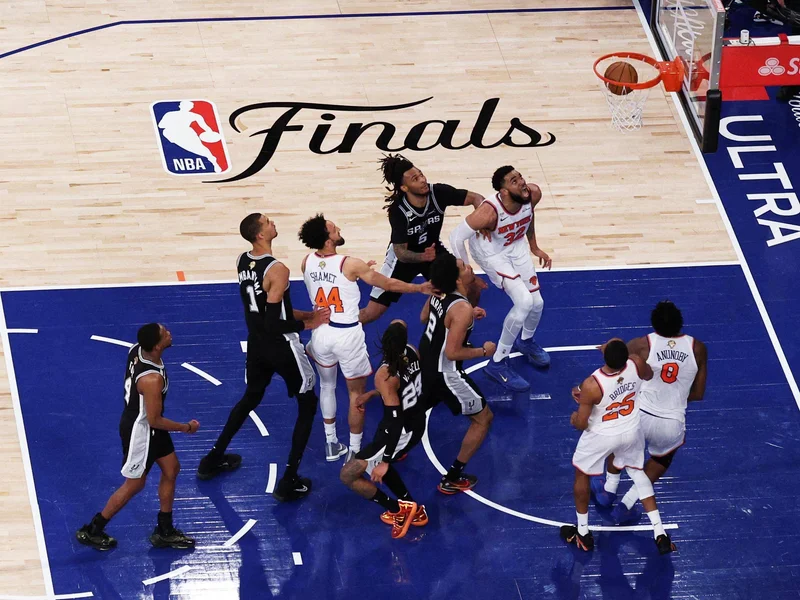
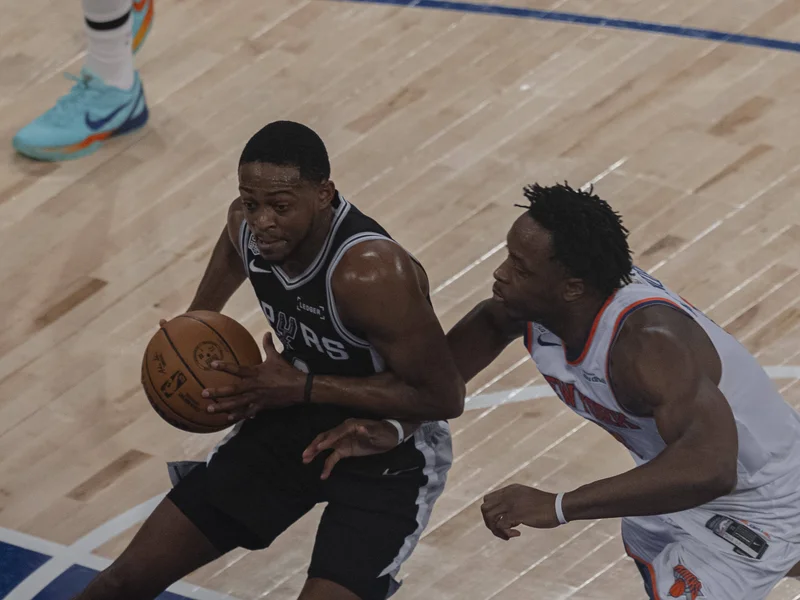
For more than five decades, the New York KnicksTeam·New York Knicks’ championship story has been frozen in grainy footage and black-and-white photographs. Now, with a 3–1 lead over the San Antonio SpursTeam·San Antonio Spurs in the 2026 NBA FinalsCompetition·NBA Finals, that narrative is finally within reach of a modern rewrite.
The Knicks, who finished the regular season 53–29 and third in the Eastern ConferenceCompetition·Eastern Conference, are one victory away from their first NBA title since 1973 and just the third in franchise history. According to multiple reports, their last championship came in 1973, following an earlier title in 1970, marking a gap of more than 50 years between banners in one of the league’s marquee markets.
In that span, the Madison Square Garden crowd has seen everything but a championship parade. There have been contender years and complete rebuilds, high lottery picks and high-profile trades, short-lived highs and long stretches of frustration. The Knicks’ place in NBA history is secure — as one of the league’s original franchises and a central figure in its early Finals decades — yet the modern era has repeatedly reminded fans how distant that glory has become.
The current run shifts that balance. New York entered the postseason as a strong but not dominant East contender behind 60-win Detroit and 56-win Boston. San Antonio, at 62–20 and the No. 2 seed in the West, arrived with the more imposing regular-season résumé. Once the Finals tipped, the Knicks supplied the defining response: a 3–1 series advantage powered by a 12-game postseason win streak and capped, in Game 4, by the biggest comeback victory in NBA FinalsCompetition·NBA Finals history.
That Game 4 swing does more than tilt a series; it reframes a franchise. For years, Knicks seasons have often been measured in what-if moments — draft lotteries, free agency near-misses, playoff exits that arrived just as belief began to build. A historic rally on the game’s biggest stage offers something different: tangible evidence that the franchise’s future is no longer tethered to the frustrations of its past.

Context matters here. The Knicks’ two titles came in a very different NBA, when fewer teams meant fewer layers of playoff survival and the sport’s global spotlight was still dim compared to today. Winning now, in an era defined by parity, player movement, and relentless year-round scrutiny, would place this group alongside the franchise’s most celebrated teams while carving out its own identity.
The opponent underscores the achievement. San Antonio has spent the last three decades as a model of sustained relevance in the Western ConferenceCompetition·Western Conference, and this 62-win Spurs team again set that standard during the regular season. To take three of the first four games from that level of opponent, and to do it with the most dramatic comeback in Finals history, elevates this Knicks run beyond a simple return to form.
Around New York, the drought has become a shared reference point. Fans who watched the 1970 and 1973 champions age into legend now sit alongside generations who know those teams only through stories and highlights. For younger supporters, this Finals represents a potential first — the chance to see the Knicks finish a season as champions, not just as folklore.
The stakes of the coming days are clear. One more win ends a 53-year wait and adds a third banner to the Garden rafters. A Spurs response would extend the series and test whether New York can close out the kind of opportunity that has eluded the franchise for half a century.
Either way, the Knicks have already changed the conversation. For the first time in decades, their championship history is not just something to revisit. It is something they can realistically add to, one game away from turning a 1973 endpoint into the foundation of a new era.
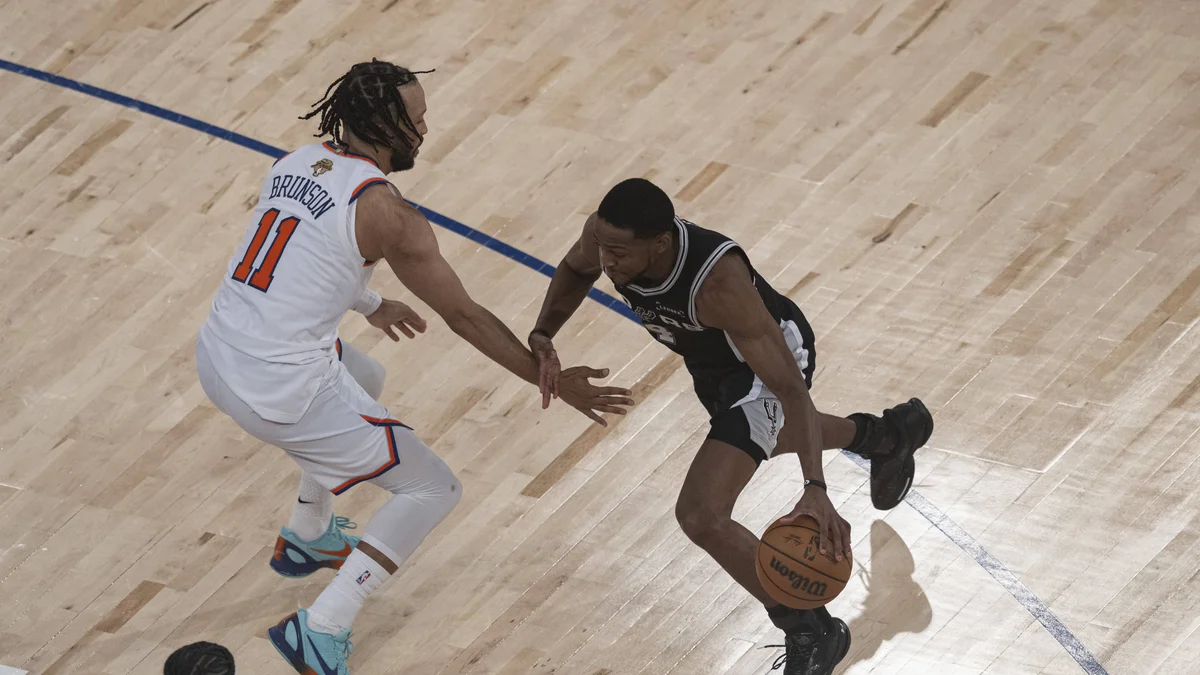
Knicks' Jalen Brunson (11) drives against Spurs' De'Aaron Fox (4) during the NBA Finals. Photo: Anadolu Agency/IMAGO
Anadolu Agency/IMAGOThis article was generated with the help of AI. Learn more.